

Reports.
Data trackers and long-form intelligence on the systems that move African economies: money, markets, energy, trade and policy.
Updated as the data moves.
Recurring trackers, revised after each decision and release. Every edition is kept, so a figure you cite stays where you found it.
Africa Monetary Pulse
Policy rates, inflation and real interest rates for seven African central banks covering 19 countries, updated monthly and after each rate decision.
Open the trackerAfrican Startup Funding Tracker
Every verified funding round raised by African startups, with the investors, sectors, countries and evidence behind each deal.
Read slowly. Decide well.
Long-form analysis of how African economies actually work, each piece built on primary documents and data.

OPay’s Pulled IPO Shows Where Fintech Risk Has Moved: Into the Loan Book
Kenya's central bank says an M-Pesa failure would impair the real economy, and Nigeria has given its largest payment groups until 31 December to split their dominance. OPay's prospectus shows the exposure this year's headline rules leave aside: half its revenue now comes from loans.

Congo Can Ration Cobalt. It Cannot Yet Make Battery Materials From It
The DRC's cobalt quota showed that Kinshasa can move a global price, and September's 30 percent slide showed the limits of that lever. Owning ore makes the country a gatekeeper, not yet an industrial power. Refining, power, skills and buyers still sit elsewhere, and the strategic quota is the one tool that could change that.

PAPSS is fixing the cheap half of Africa’s payments problem
PAPSS volumes rose tenfold, but values only doubled. Why Africa's payment rail cuts the cost of moving money but not of holding it, and what that means for AfCFTA

The Border Is Still an Economic Institution
AfCFTA is cutting tariffs, but African borders still cost time and money. Why paperwork, checkpoints and informal payments shape trade.

Private Capital Is Funding Africa’s Power Plants, Not Yet Its Industrial Grid
Between 2012 and 2023, private investors committed $47.3 billion to African infrastructure across 847 reported deals, according to the African Private Capital Association (AVCA). Energy took 57% of that value, roughly $27 billion by…

Zambia Paid to Stop Its Recovery From Raising Its Debt Bill
Six years after defaulting, Zambia has restructured almost all of its debt, regained a B- rating from Fitch and agreed a new IMF programme. Its smartest move was buying back a bond designed to charge it more if the economy did well. That deal also shows how its growth agenda, the Lobito Corridor included, will be financed.

Congo Already Refines Most of Its Copper. Its Value Gap Is Cobalt and Electricity
Kinshasa's renewed ban on concentrate exports targets the smallest part of its copper problem. The larger losses sit in cobalt that leaves as an intermediate chemical, and in a power deficit that caps how much metal the country can produce at all.
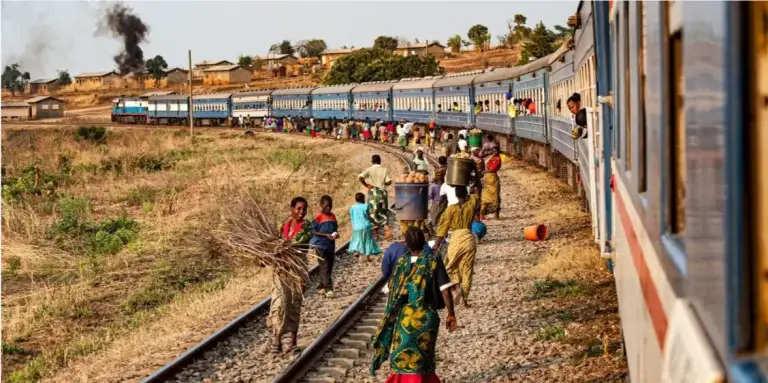
TAZARA’s Second Life Is a Concession, Not a Loan
On 17 July 2026, the Tanzania-Zambia Railway Authority (TAZARA) broke ground in Dar es Salaam on a training centre and an operations control centre. These were the first visible works under a revitalisation worth…
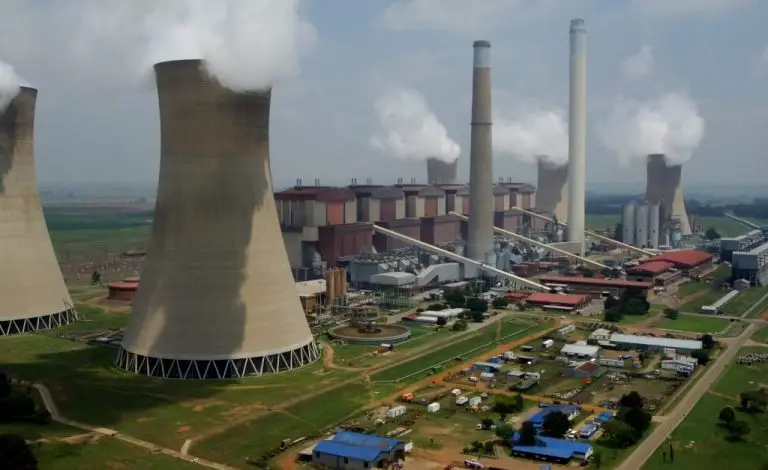
Africa’s Energy Problem Is Becoming an Industrial Problem
South Africa's utility got its power stations working again and now has electricity to spare, because more than a fifth of its industrial demand disappeared in a single year. Nigeria and Ethiopia face the same pressure in different forms. The constraint on African industry is shifting from whether electricity exists to what a reliable kilowatt-hour costs, and who pays when the biggest customers leave.

Africa’s Ports Are Competing for Economies, Not Ships
Transit cargo through Dar es Salaam rose 17% to 14.61 million tonnes in the 2025/26 financial year. Cargo destined for the Democratic Republic of Congo rose 30% to 7.77 million tonnes, more than half…

Africa Is Starting to Finance Its Digital Infrastructure Like Roads and Power Plants. It Is Inheriting Their Risks
Data centres, fibre and cloud now draw state guarantees, development-bank loans and localisation mandates, the tools once reserved for roads and power. Kenya's stalled 1 GW data centre shows what that means: the digital economy rests on the grid, and on who promises to pay.

The Money Set Aside to Maintain Africa’s Infrastructure Keeps Ending Up Somewhere Else
Maintenance is the highest-return spending in a public works budget, yet in Kenya, Ghana, Nigeria and South Africa the revenue reserved for it has been diverted, never collected or borrowed against. The reason is economic, and so is the bill.

The Infrastructure That Industrialised Had Customers Who Didn’t Need the Industry
Work on Tanger Med began in 2003. Its first terminal opened in 2007, and the first Renault car rolled out of the Tangier plant in 2012. Renault signed only a letter of intent for…
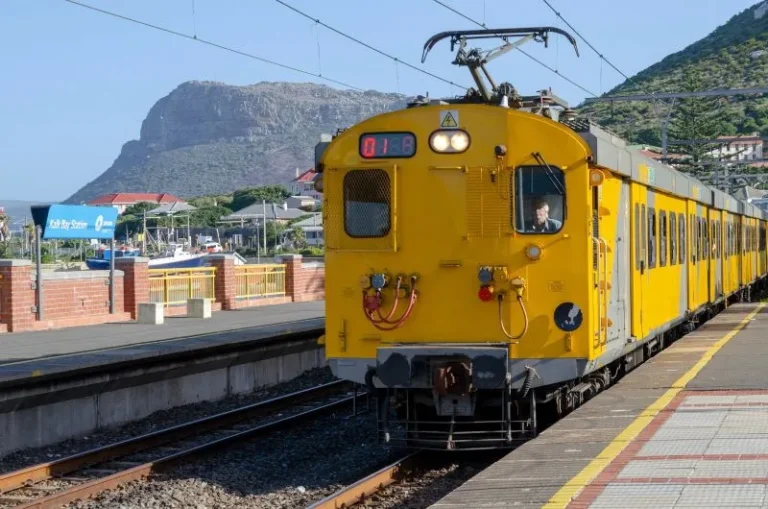
Africa Is Opening Its Railways to Private Capital. The Real Contest Is Over Who Carries the Track
South Africa has let 11 private operators onto Transnet's network while Lobito and TAZARA went to concessionaires. The real contest is over who bears the risk of the track.

Lobito’s Railway Runs on Copper Contracts. Its Economic Corridor Runs on Sovereign Loans.
AFC is raising $3–5bn for the Zambia–Lobito line on the strength of copper contracts. The economic-corridor layer runs on sovereign loans. Who carries the risk?

What the G20 Handover Revealed About Africa’s Power in Global Finance
South Africa built the 2025 G20 finance agenda around debt and the cost of capital. A year later most of it was gone. What the handover shows about African influence.

The coalition bill: what unity government costs South Africa in speed
South Africa's unity government slowed its 2025 budget by 91 days but delivered a credit upgrade. Johannesburg shows what coalitions without rules cost before the 4 November vote.

African incumbents fall when hardship meets a count they cannot control
Twelve African elections since 2015 compared. Economic pain and ruling-party splits matter, but peaceful turnovers depended on a count incumbents could not control.

Africa pays a premium for uncertainty, and the bill can now be itemised
Africa's new rating agency targets a $75bn "Africa premium". The evidence shows investors mostly price uncertainty, and the cost can be measured.

The regulator decides who gets in: how four African states became market designers
African regulators are deciding who enters markets, how big firms must be and where prices form. Where regulation ends, market design begins, and who it serves.

Ghana’s Handover Showed Which Reforms Outlive the Government That Made Them
Ghana's 2025 handover kept free schooling, cancelled popular factory and farm programmes and scrapped the e-levy. What makes a reform outlive its government.

South Africa Can Move Eskom’s Grid. Moving Its Unpaid Bills Is Harder
Ramaphosa has ordered Eskom's grid into an independent state company. It fixes a conflict of interest, but municipal arrears of R119bn could follow the wires.

Nigeria Gave Its States the Power to Price Electricity. Abuja Still Pays the Bill.
Sixteen Nigerian states now regulate their own electricity markets. Enugu's tariff fight shows why decentralisation works only when states pay for the prices they set.

Africa’s Risk Has Been Repriced, but Its Capital Has Not
African bond spreads narrowed through a Fed hike and an oil shock, and Lagos and Accra soared. But foreign money is still short-term, and Nigerians bought the rally.

When Currency Becomes a Business Variable, Everyone Becomes Their Own Insurer
Egypt’s gold bars, Kenya’s dollar deposits, Safaricom’s Ethiopian pricing and Zambia’s dollar ban show how currency instability is reshaping behaviour, and who pays for it.

The Naira and Cedi Have Stopped Falling. Businesses Are Still Pricing for the Next Crash
Nigeria's and Ghana's currencies steadied in 2025–26. Prices, contracts, savings and capital flows still behave as if the next devaluation is coming. Here is why.

The currency line: why Africa’s biggest companies keep retreating towards home
Shoprite has exited seven African markets and earns 84.5% of sales at home. Convertibility, not tariffs, is what stops African companies going continental.

Africa’s Informal Economy Already Has a Tax Collector
Nigeria's 1% presumptive tax on unrecorded businesses meets markets that already levy, enforce and organise themselves. Formalisation is a negotiation between systems.

What Makes an African Market Investable? The Price of Getting Out
Investment keeps concentrating in a few African economies. New UNCTAD and funding data show the deciding factor: whether investors can price their exit.

Africa Is Growing Without Becoming One Market
Fifty countries have ratified the AfCFTA, but only 26 have gazetted tariff schedules for trade. Why Africa's growth isn't yet adding up to one market.

Africa’s Exits Have Come Home. The Money Still Counts in Dollars
Trade sales rose to 53% of African private capital exits in H1 2026, mostly to local buyers. Why a local-currency sale can still be a dollar loss for funds.

The Sovereignty Gap: Who Controls the Technology That Runs Africa?
Meta's 2Africa cable wires 33 countries, yet no African state owns a strand. A Verto Brief on who controls the technology running Africa's digital economy.

Africa’s infrastructure finance is scored at financial close. Ownership is only proven at the exit
InfraCredit Nigeria's shareholder exits show why African infrastructure finance should be judged by who owns the asset at exit, not at financial close.
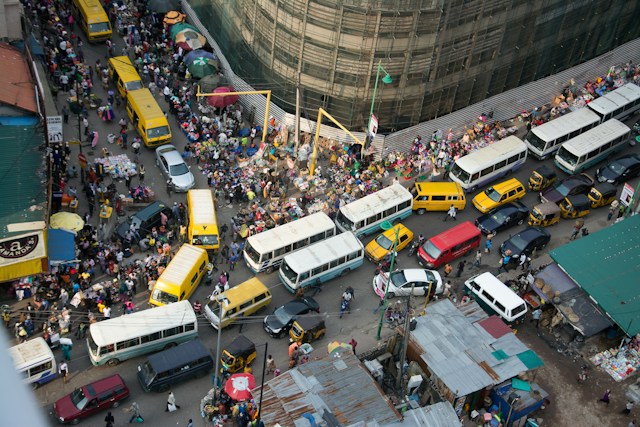
Nigeria Is West Africa’s Biggest Economy, and It Also Has the Region’s Most Expensive Money
Nigerian manufacturers borrow at over 30% while firms in Benin and Cameroon pay about 8%. What drives Nigeria's cost of credit, and who it serves.
Why African Pension Money Still Struggles to Become Productive Capital
Nigeria's PenCom rewrote its rules to push pension money into the real economy, then raised equity caps. Why African pension capital still isn't productive.

Africa didn’t get new investors. It started selling a different thing
FDI into Africa fell to about $70bn in 2025. Behind the number: Anglo American's Valterra exit, Canal+'s MultiChoice deal, and a shift in what investors buy.

African Governments Now Borrow More at Home Than Abroad, and the Bills Come Due Faster Than Ever
A new dataset of 50,000 African debt instruments shows governments now raise over half their financing at home, and the bills are coming due faster.

Africa’s Return to the Bond Market Is Not the Same as a Return to Cheap Capital
DRC debuted at 9.5% and Kenya priced at 8.95% in 2026. Africa is back in the Eurobond market, but market access is not the same as cheap capital.
No reports match your search.
Practical answers.
Plain-language explainers on setting up, investing and moving money in African markets.

The Hidden Costs of Doing Business in Nigeria, Kenya and Ghana
Capital · 10 Oct 2026 · 9 min read
Minimum Capital Requirements for Foreign Investors in Africa: Eight Countries Compared
Capital · 10 Oct 2026 · 7 min read
How to Repatriate Profits From Nigeria in 2026: The Right Is Guaranteed, the Paperwork Decides
Markets · 9 Oct 2026 · 7 min read
AfCFTA in 2026: What Has Actually Changed for Businesses
Capital · 9 Oct 2026 · 7 min read
How Currency Depreciation Affects Returns on African Investments
Capital · 9 Oct 2026 · 10 min read
Starting a Business in Ghana as a Foreigner in 2026: The Capital Floor Is Gone, the Price of Staying Is Not
New reports, the day they publish.
Each new report and tracker update in your inbox, with a short note on what changed and why it matters.